

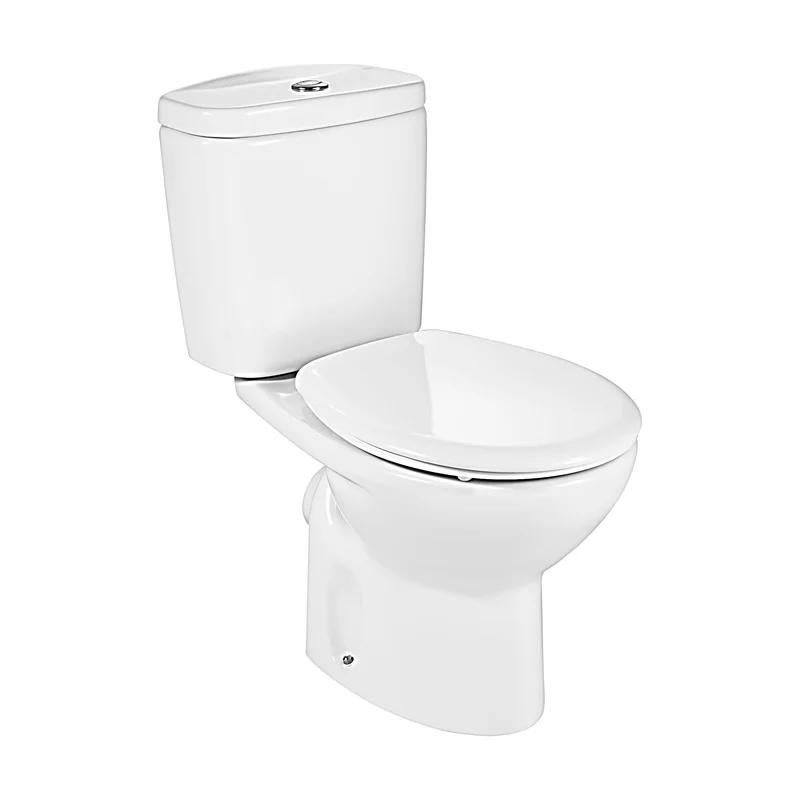
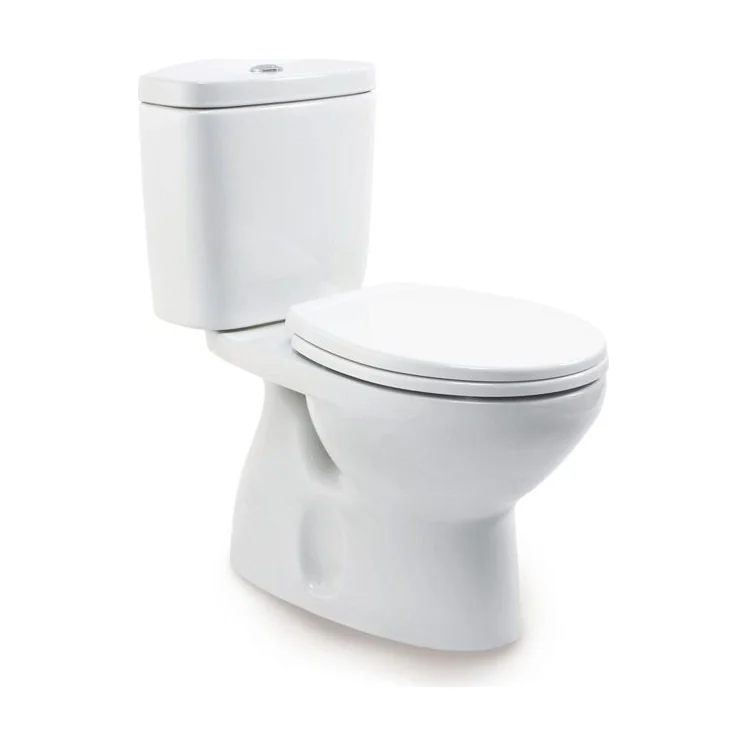
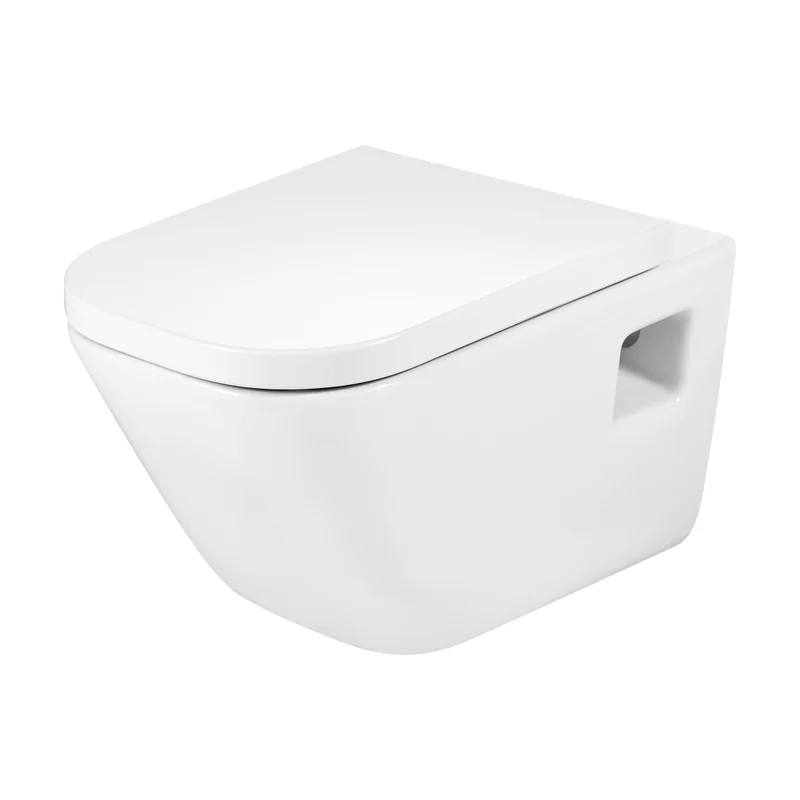
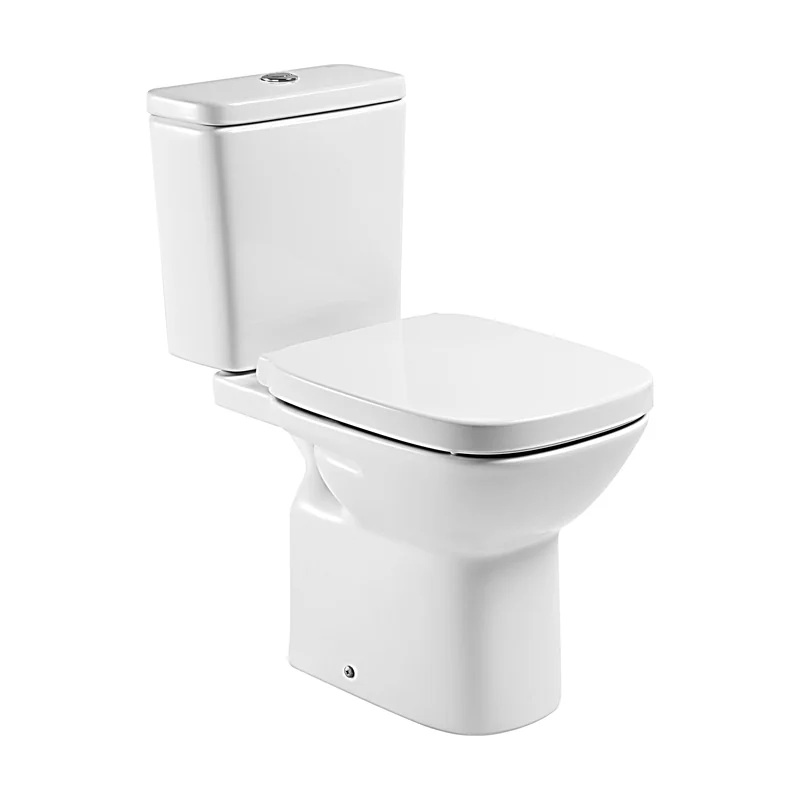
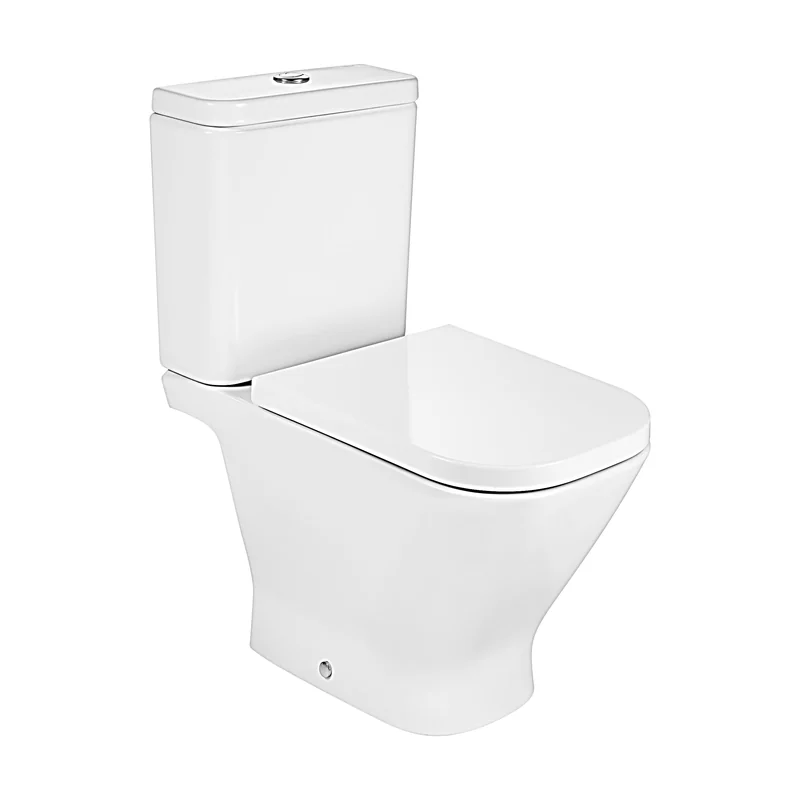
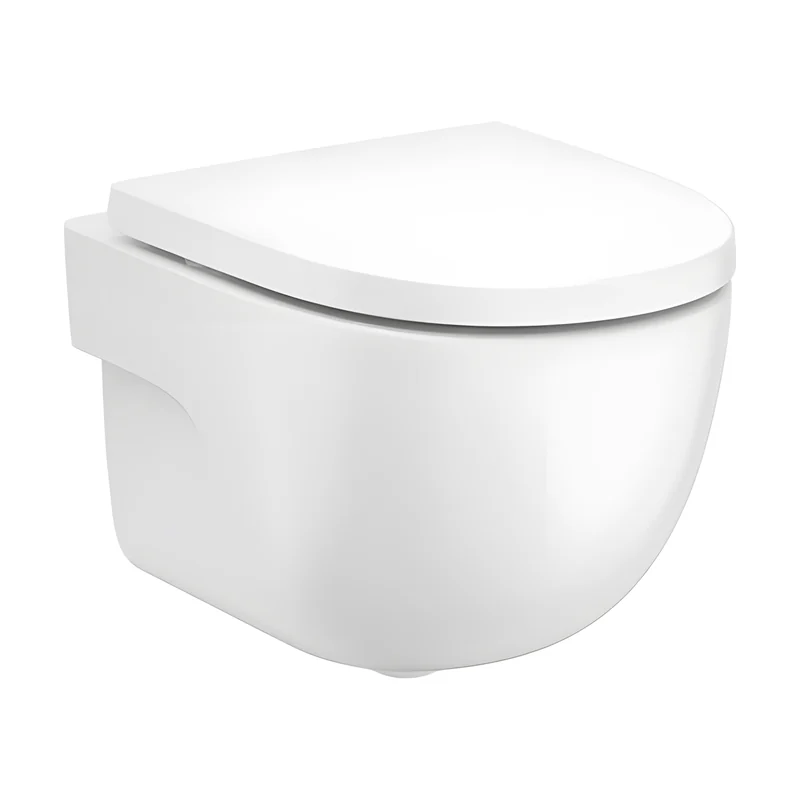
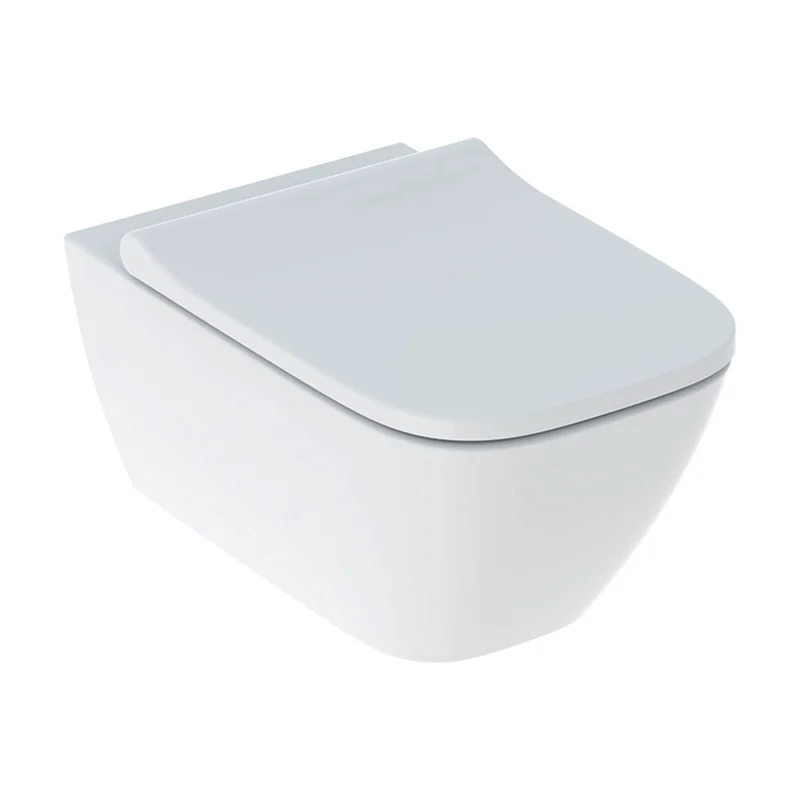
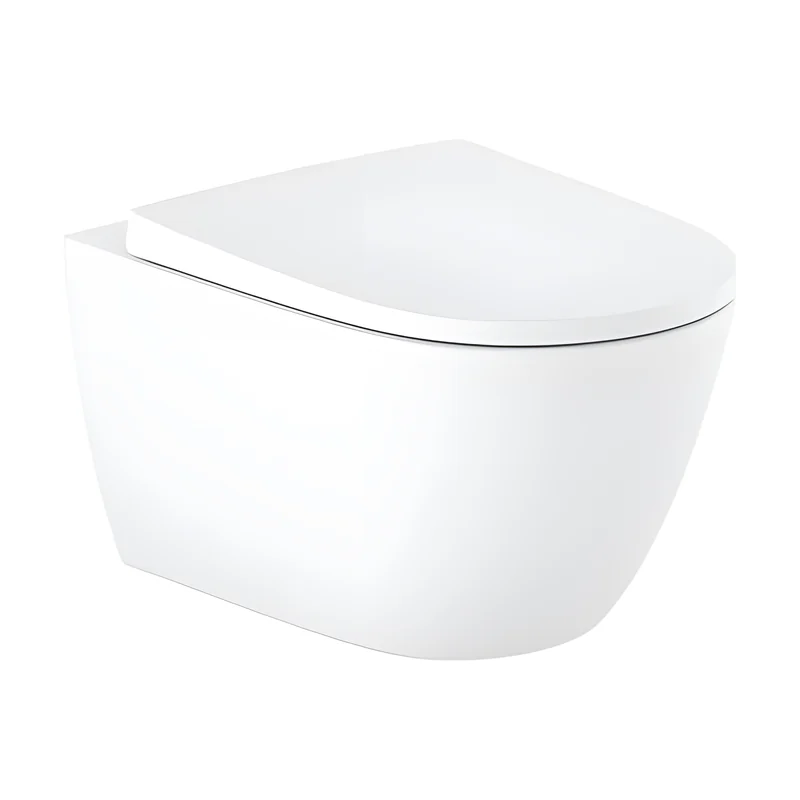
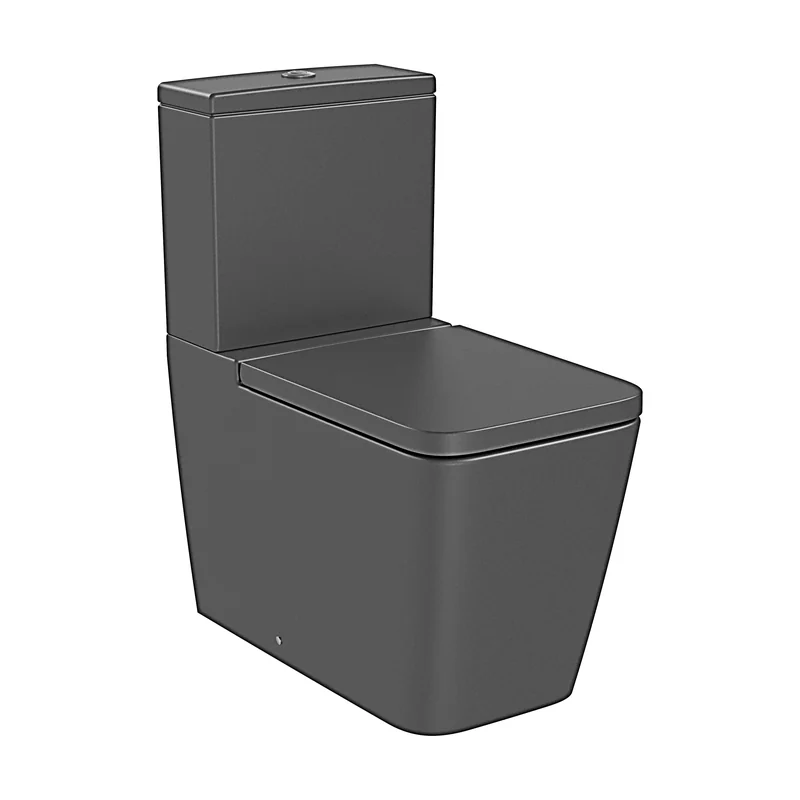
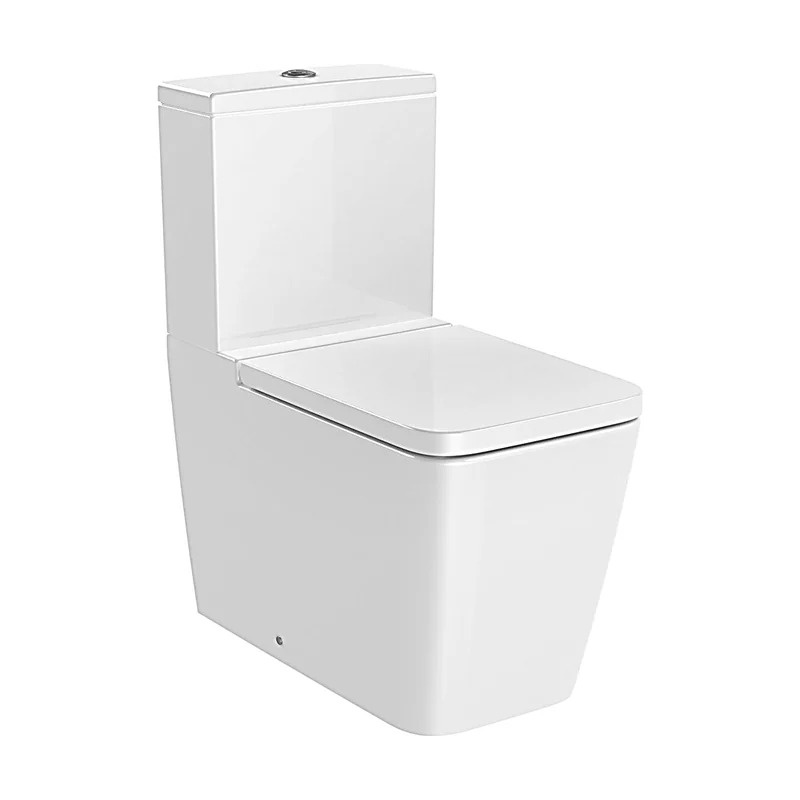
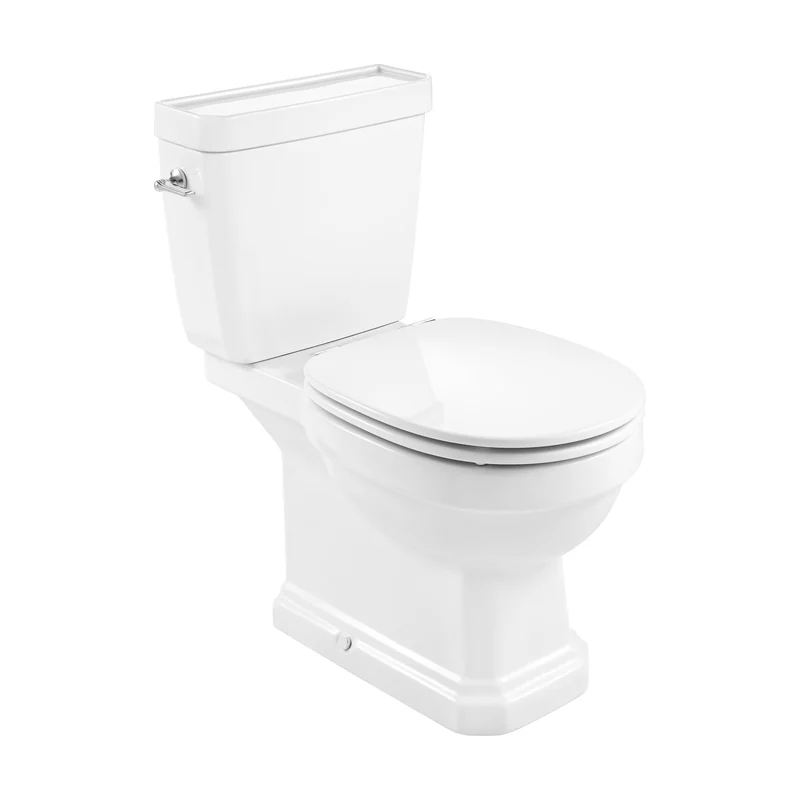
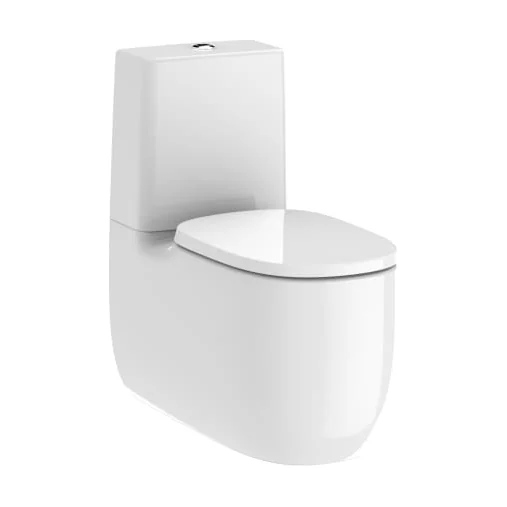
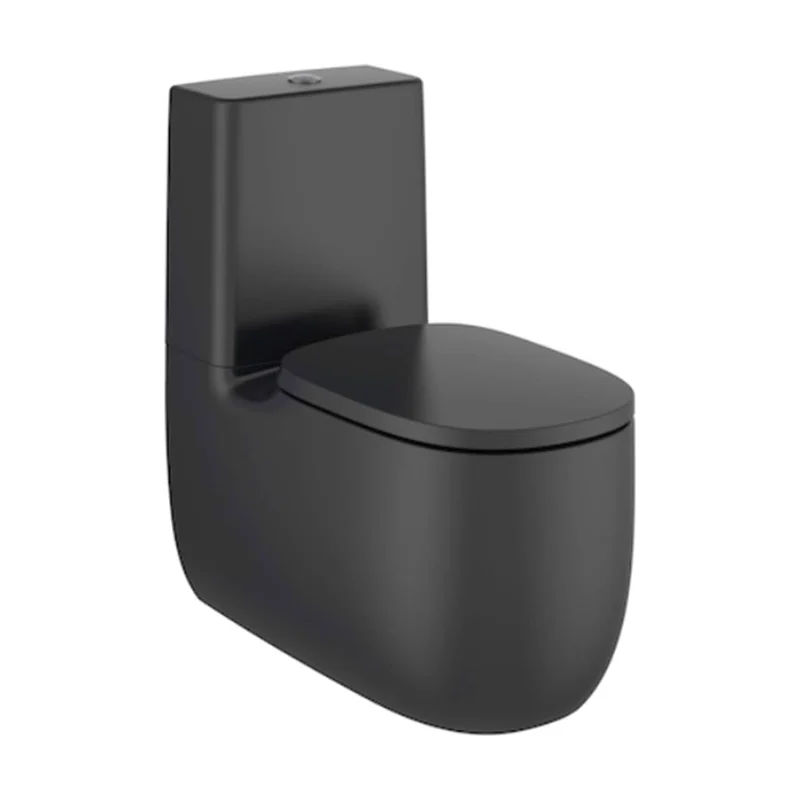
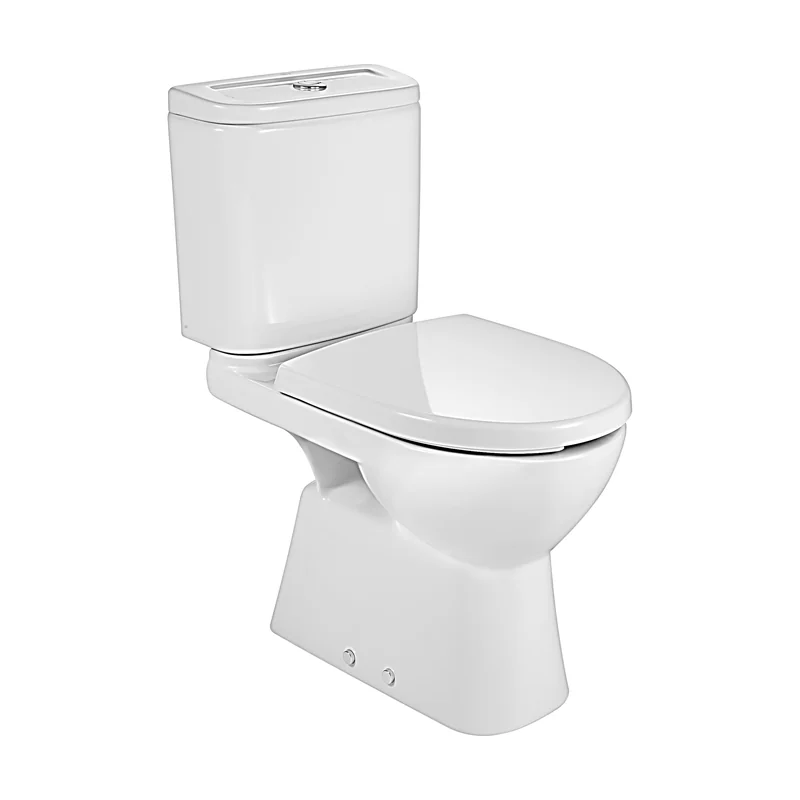
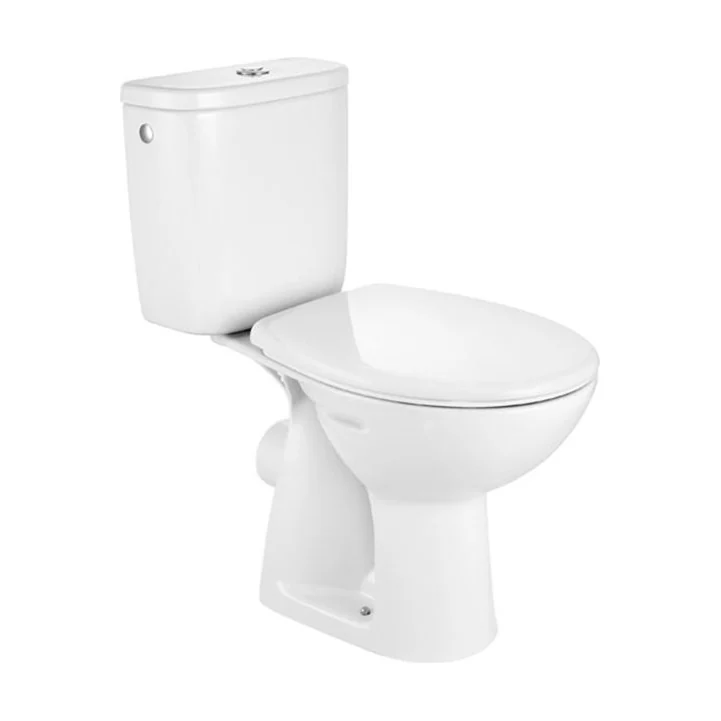
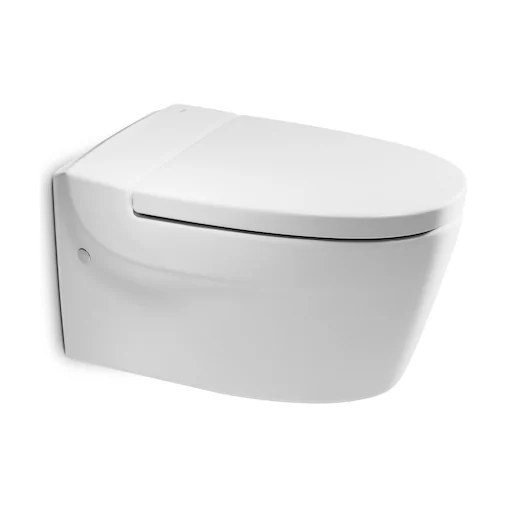
Close-coupled, back-to-wall and wall-hung WCs, with matching cisterns and seats.
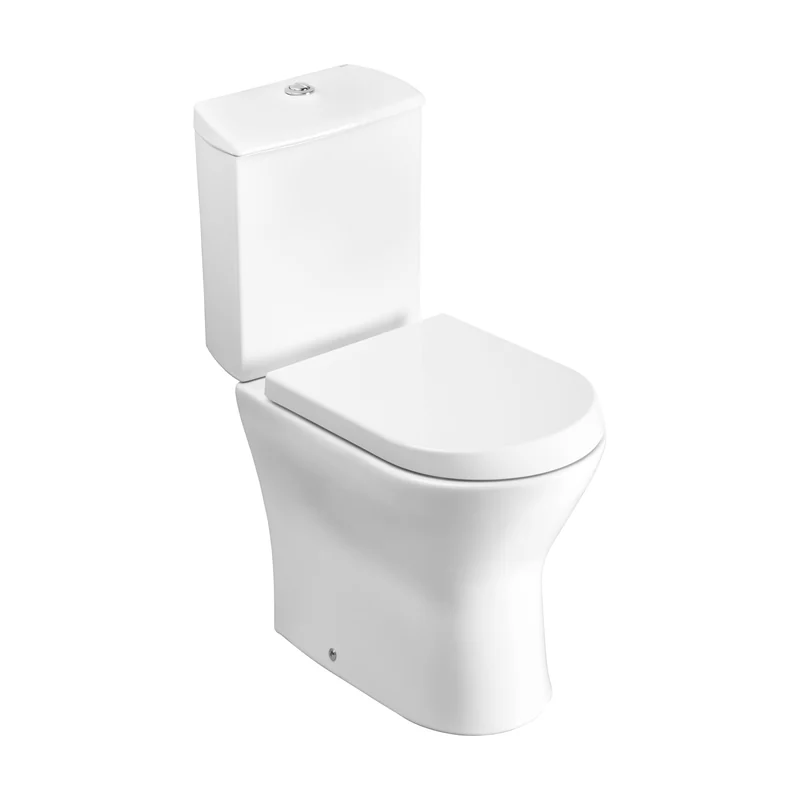
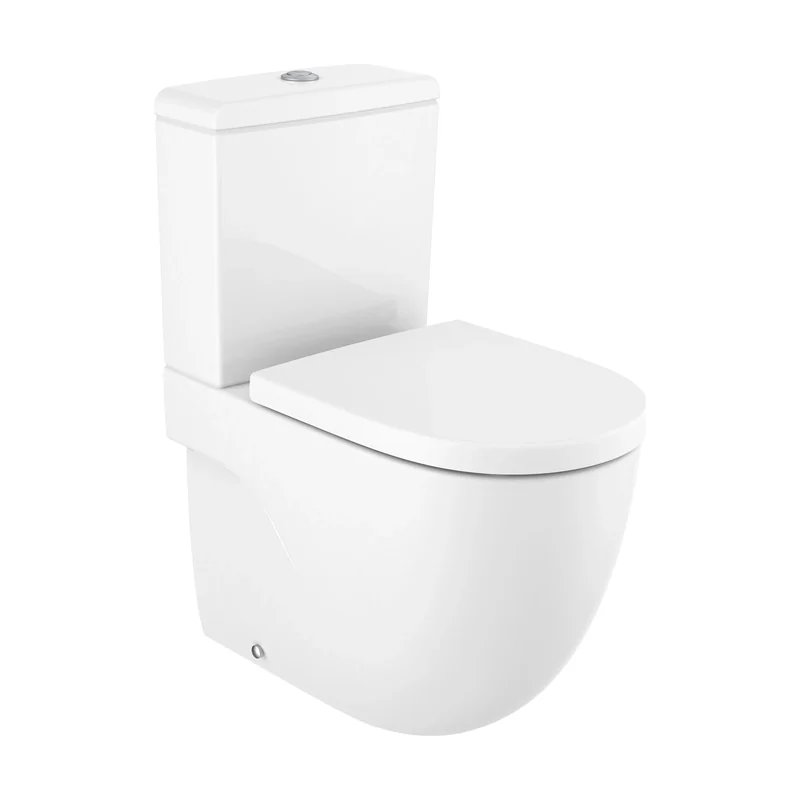
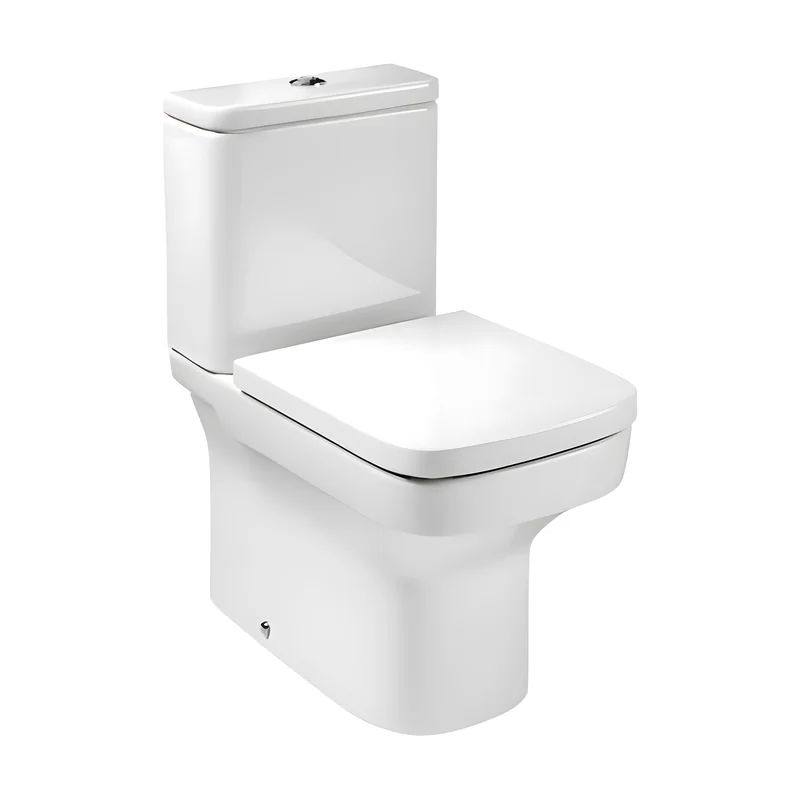
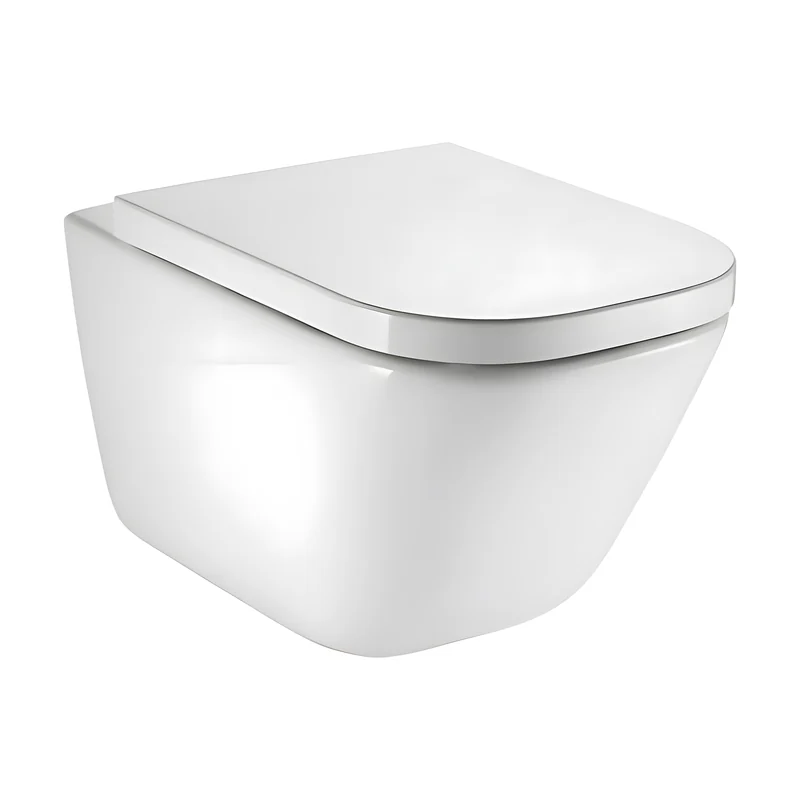
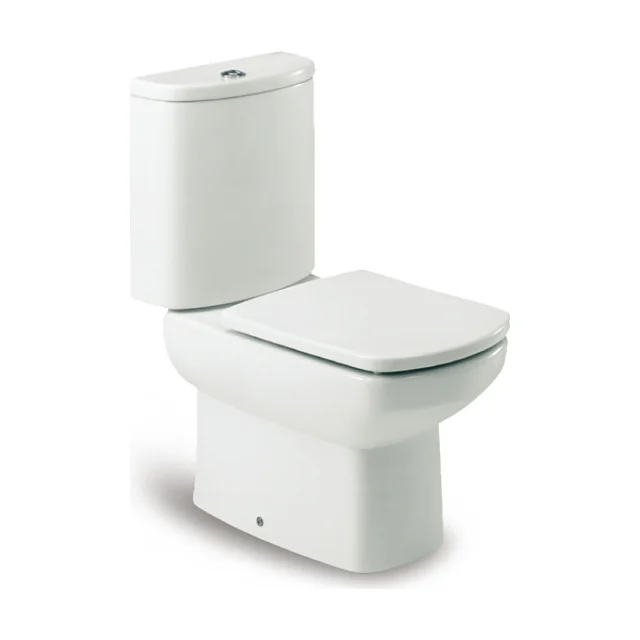
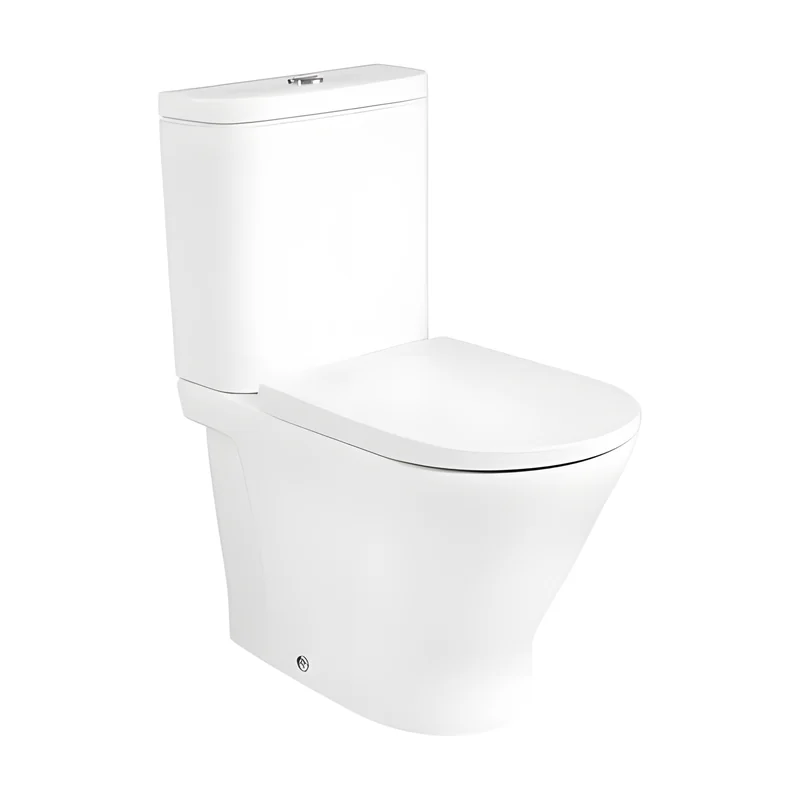
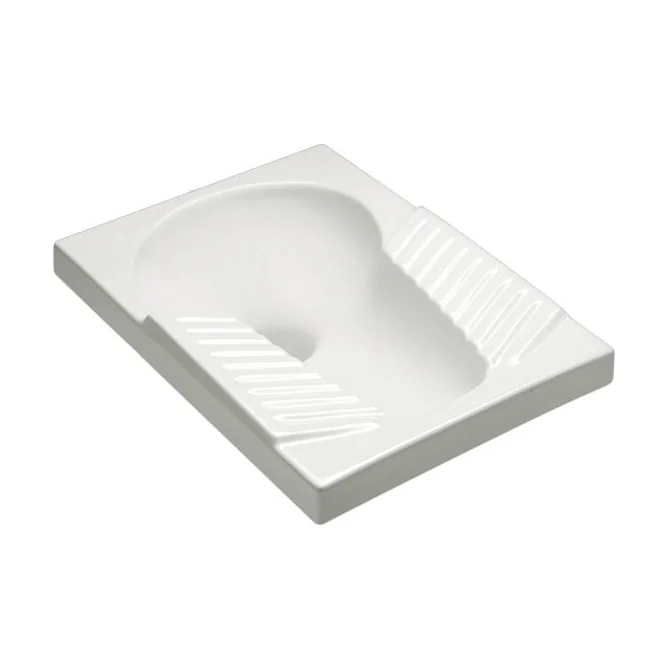
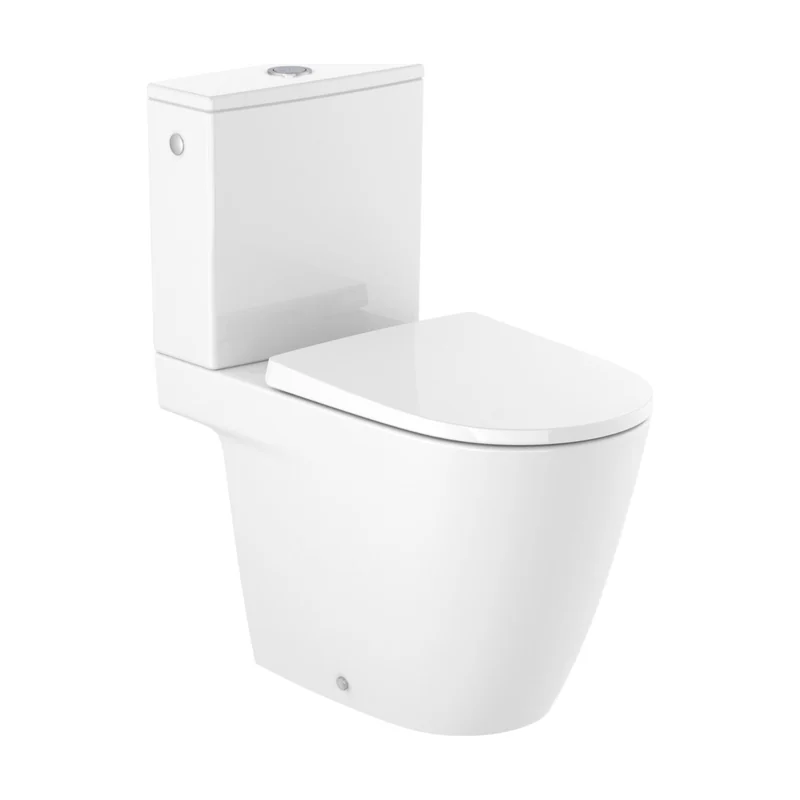
Nothing matches.
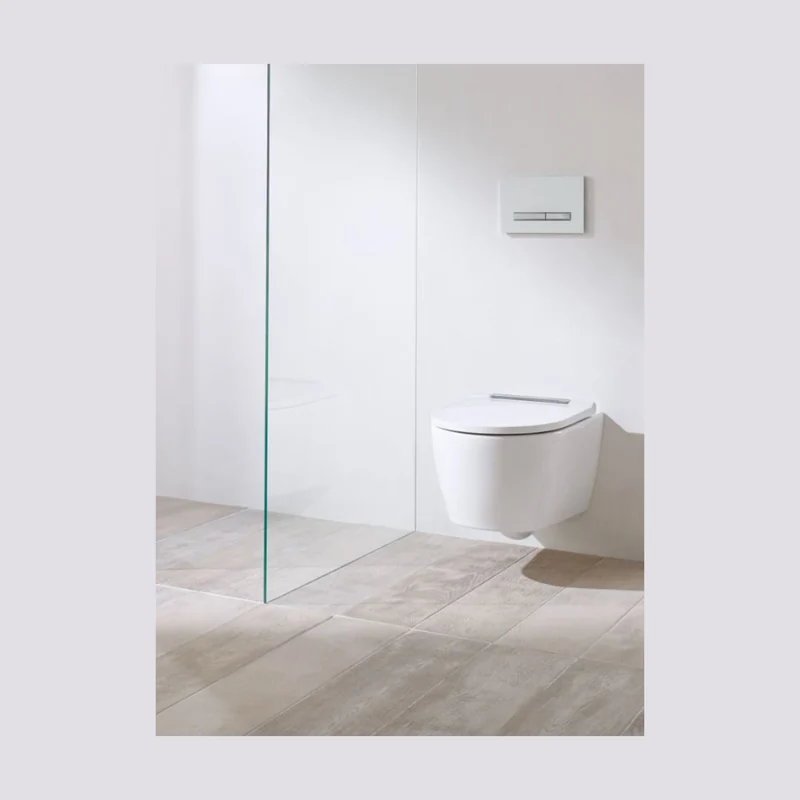
The first choice is how the WC is fitted. A close-coupled WC stands on the floor with the cistern on the back of the pan: simple to fit and to replace. A wall-hung WC is carried by a frame hidden in the wall, with the cistern inside it: the floor stays clear for cleaning and the bathroom looks larger, but the frame must go in before the wall is tiled.
On this page: WCs & Toilets from Geberit and Roca, in ranges such as The Gap, Victoria, Nexo and Meridian-N. See them at our showrooms, or ask us on WhatsApp.
When replacing a WC, see where the waste pipe leaves: down through the floor (S-trap) or back through the wall (P-trap), and measure from the wall to the centre of the pipe. Bring the photo and the measurement when you choose.
A rimless bowl has no hidden rim under the edge, so it is easier to keep clean. It suits family bathrooms, hotels and lodges.
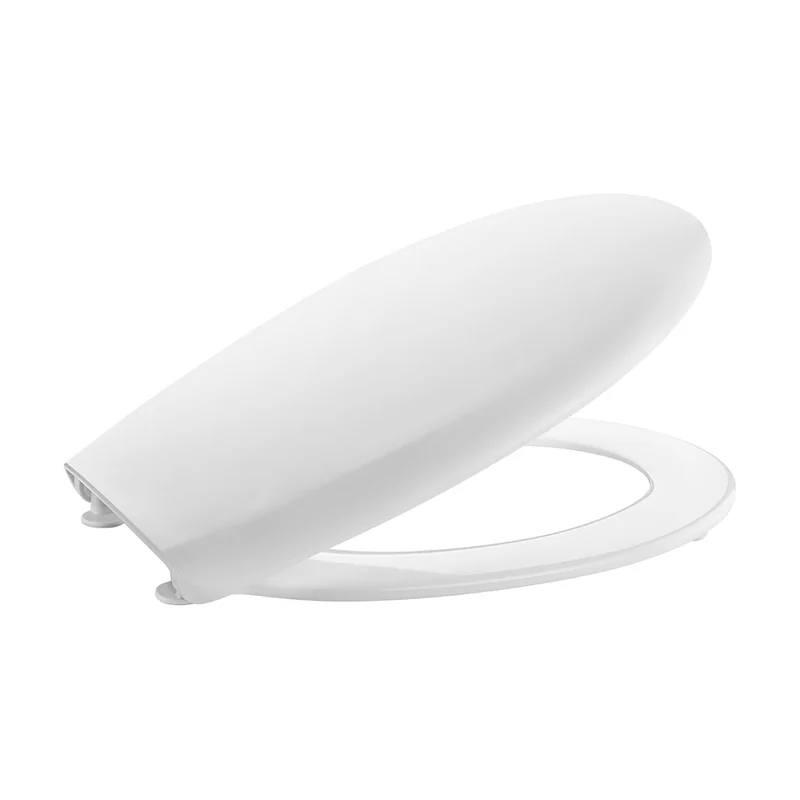
A soft-close seat lowers itself slowly instead of slamming. Many seats also lift off with one click for cleaning.
An in-wall frame with a concealed cistern, a flush plate, and the WC pan with its seat. The flush plate must be the same brand as the frame. The pan fits standard frames, so it does not have to be the same brand.
Two buttons: a short flush for liquids and a full flush for solids. On a 3/6 litre WC, the short flush uses 3 litres instead of 6.